Best Time of Year to Visit Fiji
Fiji is a tropical paradise – with weather to match! This luscious country is blessed with natural beauty both on the land and under the water so almonst any time is the best to visit Fiji.
If you’re coming from North America, you should try to go between late April to early June, or late July through August, due to decreased fares on Air Pacific and Air New Zealand. June to October are the coldest and driest months in Fiji. Hurricane season runs from November to April. Hotels and resorts offer low prices in February and March as most are vacant.
Average Temperatures in Fiji
From May through November, Fiji’s winter, temperatures are warm during the day – around 80 degrees Fahrenheit – and cooler at night and in the early mornings. During the summer rainy season from December through April, temperatures can reach 95 degrees Fahrenheit with late afternoon showers.
Fiji offers a tropical climate with higher humidity and rain during the summer and lower temperatures with dry air in the winter. However, the winds cause climate variances from island to island. Speak with your travel specialist about weather around your resorts.
Storms in Fiji
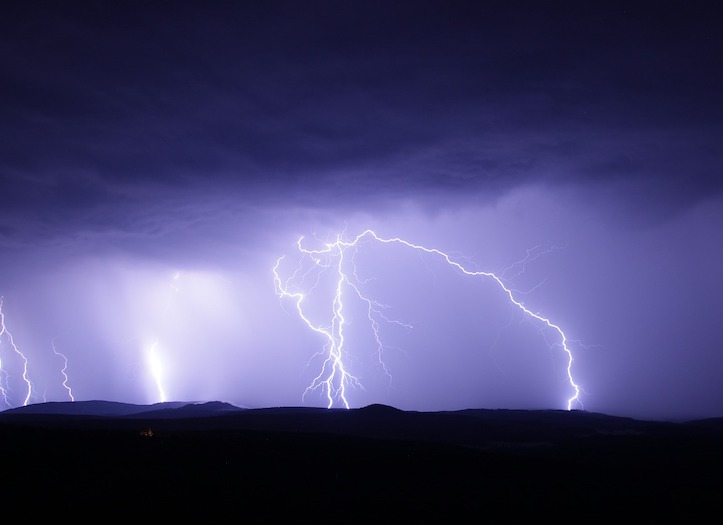
During the winter rainy season, afternoon showers occur with frequency. In the case of a tropical storm or cyclone, residents and travelers are relocated to safe areas. Although tropical storms during the rainy season are not uncommon, the last major cyclone to hit Fiji occured in December of 2003.
Scuba Diving & Surfing in Fiji
Fiji has warm water temperatures year-round although thin wetsuits are recommended for deeper dives. Fiji’s colorful soft coral is especially well known to divers and can be found on reefs, shelfs and in passages.
One famous dive location is the Malolo Barrier Reef, around Malolo Island in the Mamanuca Islands, with numerous key spots. Another key diving reef is Rainbow Reef, near Taveuni, in the Northern Islands.
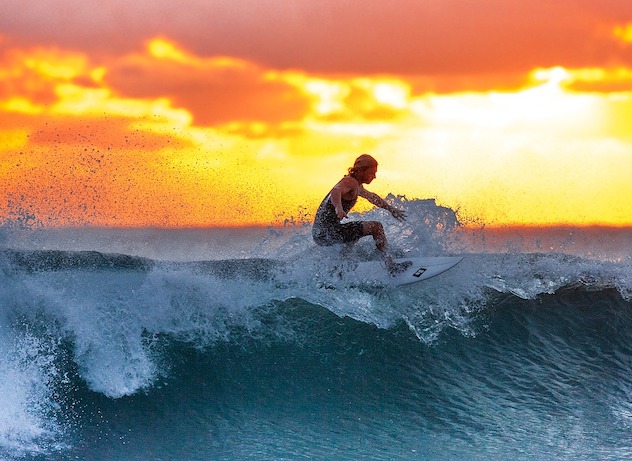
The country’s best surfing is located on Tavarua Island.
Wildlife in Fiji
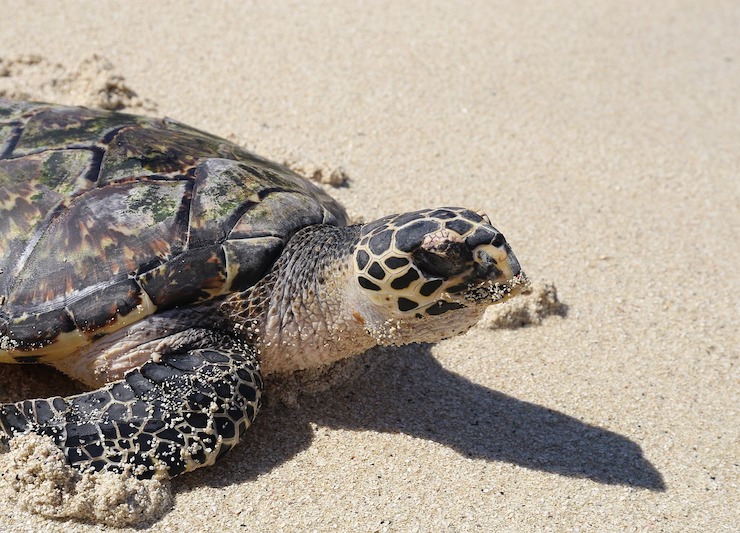
There are five species of sea turtles found in the waters surrounding Fiji. They are the the green, hawksbill, leatherback, Olive Ridley, and the loggerhead turtle. Take a trip to Turtle Island Fiji to see where they rear turtles to be released into the ocean and also have their own turtle-tagging program in partnership with the WWF.
There are also many species of animals that can only be found on Fiji such as the orange fruit dove, fiji crested iguana, pink-billed parrotfinch and Fiji ground frog.
Plants & Flowers in Fiji
Fiji has six national parks, the first of which was created in 1989. Viti Levu’s Sovi Basin has been submitted to UNSECO as a potential World Heritage Site.
Two-fifths of the Fiji’s land mass is covered by dry forest, mangove forest or tropical rainforest. Tall grasses also dominate drier areas, or those that have been subjected to burning.
The national flower is called the Tagimaucia, after Tavenui’s Lake Tagimaucia.